
Understanding the psychological triggers that fuel gambling addiction
The Nature of Gambling Addiction
Gambling addiction is a complex behavioral disorder that affects individuals from all walks of life. It is characterized by an uncontrollable urge to gamble despite the negative consequences it brings. Unlike other addictions, gambling does not rely on a substance; rather, it taps into psychological triggers that can lead to a cycle of compulsive behavior. Discovering options like crypto casino no kyc may be appealing for those looking to explore this world while seeking to understand these triggers is essential for both prevention and treatment.
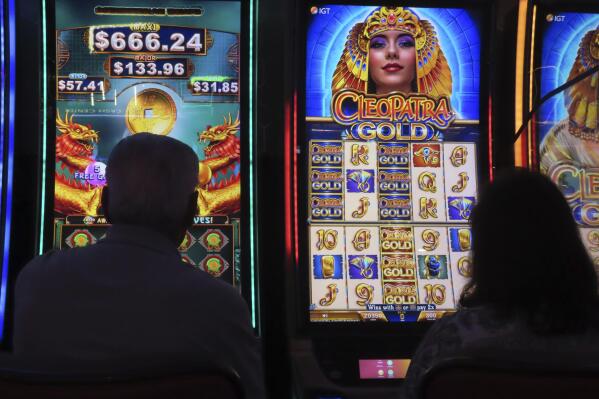
The thrill of risk and the potential for financial gain can create a euphoric state that draws individuals back repeatedly. This ‘high’ often overshadows the reality of losses, leading to a distorted perception of chances and probabilities. Recognizing how these emotional responses contribute to gambling addiction is a crucial step in breaking free from its grasp.
The Psychological Triggers Behind Gambling
One significant psychological trigger is the concept of “near-miss” experiences. These are situations in which a player almost wins, such as getting two out of three symbols on a slot machine. Such experiences can create a false sense of hope and encourage continued gambling. This phenomenon exploits cognitive biases, making players believe that they are close to winning and motivating them to keep playing despite accumulating losses.
Additionally, the role of excitement and anticipation cannot be underestimated. The unpredictable nature of gambling creates a rush that can be addictive in itself. This anticipation is often accompanied by a dopamine release in the brain, similar to what is experienced during substance use. As the brain begins to associate gambling with pleasure, the need to gamble can become increasingly entrenched.
The Influence of Environment and Social Factors
Environmental factors also play a critical role in fueling gambling addiction. Access to gambling venues, whether online or in-person, can heighten the risk of developing compulsive behaviors. Social circles that normalize or celebrate gambling can further entrench these behaviors, leading individuals to underestimate the risks involved.
Peer pressure and the desire to fit into a social group can also amplify the urge to gamble. When surrounded by friends who gamble, individuals may feel compelled to participate, often disregarding their own financial limits or personal values. This social reinforcement creates a culture that can perpetuate gambling addiction.
Emotional Triggers and Coping Mechanisms
For many, gambling serves as an escape from stress, anxiety, or depression. Emotional distress often leads individuals to seek solace in gambling, where the thrill can temporarily distract from their problems. However, this coping mechanism can quickly spiral out of control, as the temporary relief gained from gambling can lead to greater emotional turmoil.
The cycle of gambling can create a false sense of control, where individuals believe they can manage their emotions through gaming. Unfortunately, this often results in deeper financial and emotional issues. Recognizing the emotional triggers that lead to gambling can be vital for individuals seeking to break this harmful cycle.
Seeking Help and Support
Understanding the psychological triggers behind gambling addiction is essential for those affected and their loved ones. Effective treatment often involves therapy, support groups, and educational resources that address both the psychological and behavioral aspects of gambling. Therapy can help individuals understand their triggers and develop healthier coping mechanisms.
Support from family and friends also plays a crucial role in recovery. Open discussions about gambling habits can foster a supportive environment that encourages individuals to seek help. In the end, raising awareness about gambling addiction and its psychological triggers can pave the way for recovery and healthier choices.